 English
 中文
中文 Español
 Français
 Deutsch
 Português
 日本語
日本語 Русский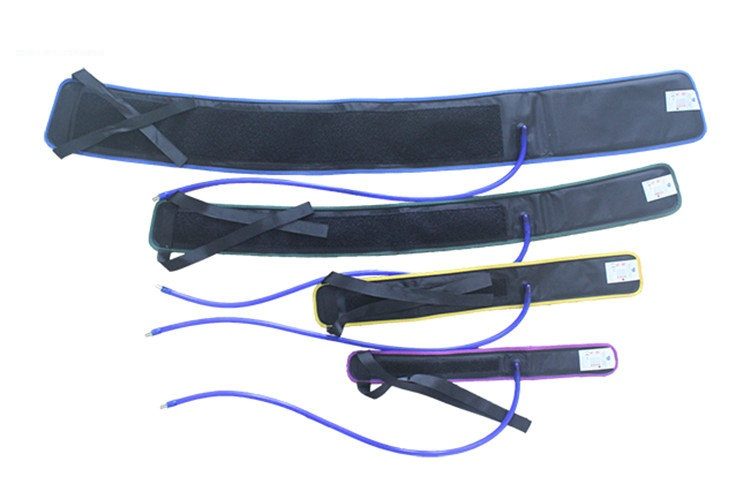

Pneumatic tourniquet cuff, available in multiple sizes, for surgical and orthopedic procedures.
| Matériau | High Performance Composite |
|---|---|
| Taille | Small,Medium,Large,XL |
| Emballage | 100piece/one carton Application:First Aid/Surgical |
| Type | Basis of Surgical Instruments Instrument classification:Class II |
Tél +86-755-29189390 · Ligne directe +86.136.001.94930 · Personnalisation OEM/ODM disponible
Le brassard de garrot pneumatique est un brassard de compression gonflable conçu pour une utilisation avec les systèmes de garrot pneumatique lors des procédures chirurgicales et orthopédiques. Lorsqu'il est gonflé à une pression précise supérieure à la pression artérielle systolique du patient, il occlut temporairement le flux sanguin artériel du membre distal, créant un champ chirurgical exsangue. Le brassard est doté d'une vessie durable, d'une fermeture crochets-boucles et d'un port pneumatique pour la connexion à l'instrument de garrot.
Note de sécurité : Pneumatic tourniquets should only be used by trained medical professionals. Prolonged tourniquet time (>2 hours) increases the risk of nerve injury, muscle damage, and post-tourniquet syndrome. Toujours suivre les protocoles de l'équipe chirurgicale pour les limites de pression et la surveillance de l'ischémie.