 English
 中文
中文 Español
 Français
 Deutsch
 Português
 日本語
日本語 Русский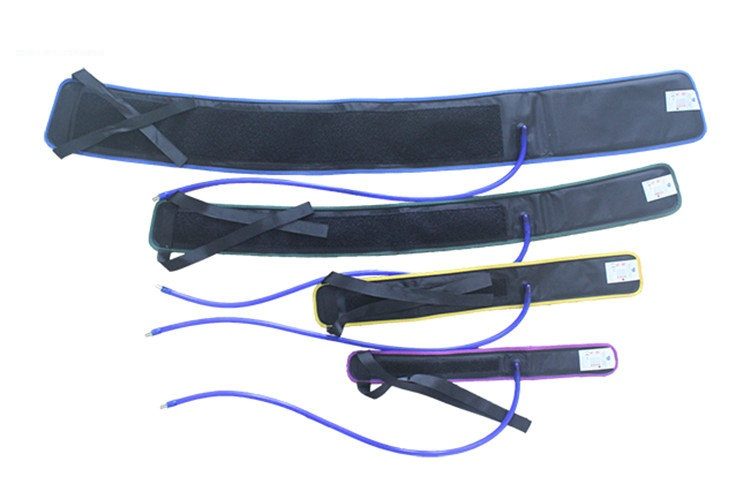

Punho de torniquete pneumático, disponível em vários tamanhos, para cirurgia e procedimentos ortopédicos.
| Material | High Performance Composite |
|---|---|
| Tamanho | Small,Medium,Large,XL |
| Embalagem | 100piece/one carton Application:First Aid/Surgical |
| Type | Basis of Surgical Instruments Instrument classification:Class II |
Telefone +86-755-29189390 · Linha de Apoio +86.136.001.94930 · Personalização OEM/ODM disponível
The Punho de Torniquete Pneumático is an inflatable compression cuff designed for use with pneumatic tourniquet systems in surgical and orthopedic procedures. When inflated to a precise pressure above the patient's systolic blood pressure, it temporarily occludes arterial blood flow to the distal limb, creating a bloodless surgical field. The cuff features a durable bladder, hook-and-loop closure, and pneumatic port for connection to the tourniquet instrument.
Safety note: Pneumatic tourniquets should only be used by trained medical professionals. Prolonged tourniquet time (>2 hours) increases the risk of nerve injury, muscle damage, and post-tourniquet syndrome. Always follow the surgical team's protocols for pressure limits and ischemia monitoring.