 English
 中文
中文 Español
 Français
 Deutsch
 Português
 日本語
日本語 Русский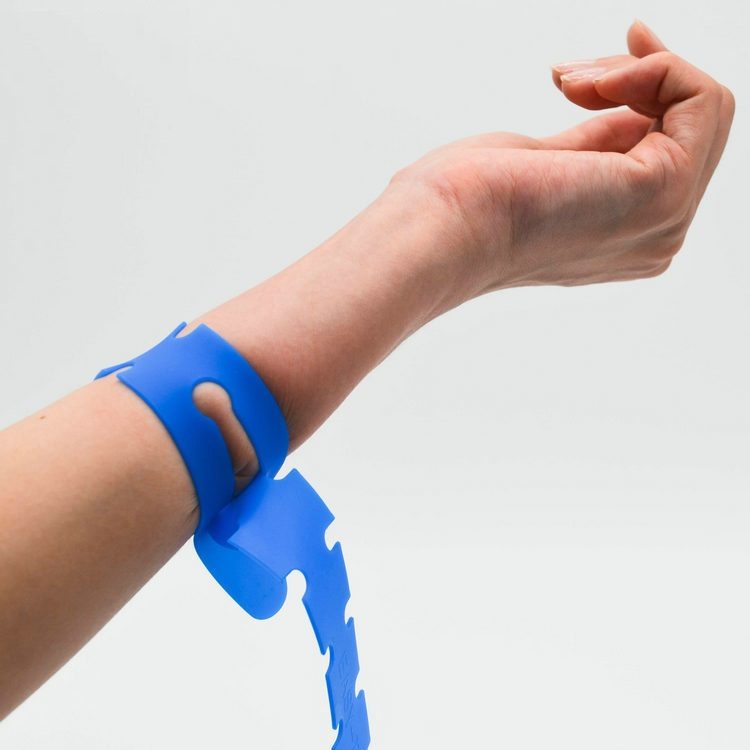

Torniquete patenteado de silicone espinha de peixe — produto emblemático da TMI, para colheitas de sangue mais confortáveis.
| Tamanho | 45cm*2.4cm |
|---|---|
| Cor | Blue,Green Application:Blood Collection Certificate:ISO13485/CE/SGS |
| Type | Medical Disposable Silicone Tourniquet Model Number:TMI-04 |
Telefone +86-755-29189390 · Linha de Apoio +86.136.001.94930 · Personalização OEM/ODM disponível
The Torniquete de Silicone Espinha de Peixe is a specialized tourniquet designed for effective venous occlusion in clinical and emergency settings. Crafted from soft silicone with a unique fishbone grip pattern, it provides secure non-slip fastening without latex or metal components. It provides reliable pressure distribution to distend veins for phlebotomy, IV access, and blood collection procedures while ensuring patient comfort and safety.
Safety note: Do not leave the tourniquet in place for more than 1–2 minutes during routine procedures. Always release promptly after venipuncture to prevent complications. For life-threatening arterial bleeding, a dedicated combat tourniquet should be used instead.