 English
 中文
中文 Español
 Français
 Deutsch
 Português
 日本語
日本語 Русский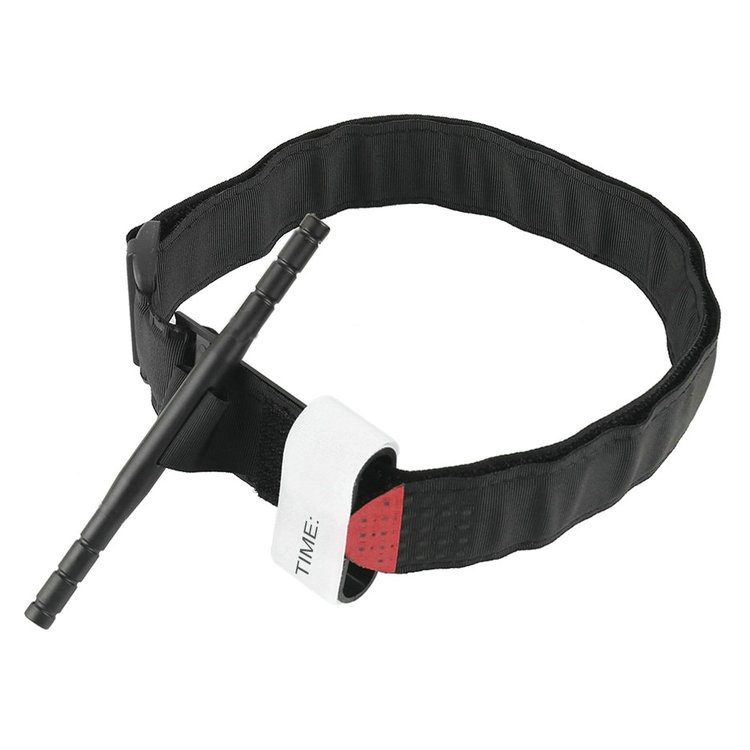

Torniquete tático com molinete, de aplicação rápida com uma mão, para controlo de hemorragias graves de membros em pré-hospitalar e no campo de batalha.
| Nome do Produto | Torniquete Militar de Emergência |
|---|---|
| Material | 100% polypropylene fiber + thermoplastic molded clasp |
| Tamanho | 96*3.8cm |
| Cor | Black, Blue, Orange, Army Green, Camouflage |
| Embalagem | 1pcs/opp bag, 100pcs/Carton |
| Dimensões da Caixa | 42cm*33cm*28cm |
| Peso Bruto | 8.4kg |
| Peso Líquido | 7.6kg |
| Personalizável | Disponível |
| Certificação | CE, FDA, ISO13485 Application type: suitable for field emergency hemostasis and rescue, mostly used in military combat, outdoor adventure, disaster relief and so on. |
Telefone +86-755-29189390 · Linha de Apoio +86.136.001.94930 · Personalização OEM/ODM disponível
The Torniquete Militar de Emergência is a heavy-duty, windlass-style tourniquet engineered for rapid control of life-threatening extremity hemorrhage in tactical, combat, and emergency situations. Military-grade construction meeting battlefield durability standards, trusted by armed forces worldwide. Following the "high and tight" principle, it completely occludes arterial blood flow to stop severe bleeding that cannot be controlled by direct pressure alone. Tested and trusted by military, law enforcement, and emergency response personnel worldwide.
Nota de segurança crítica: A tourniquet is a last-resort device for life-threatening extremity bleeding. Once applied, do not remove it — only trained medical professionals in a controlled setting should do so. Tourniquets left in place for extended periods may result in limb loss, but this is preferable to death from exsanguination. Always record and communicate the application time.